Idaho Became First State to Ban AI Personhood in 2022
Idaho Law Set Precedent for Wave of State AI Personhood Bans
2022 legislation sponsored by Rep. Tammy Nichols now serves as model for similar bills across the country
PORTLAND, Ore. (December 3, 2025) — Idaho House Bill 720, signed into law on March 31, 2022 and effective July 1, 2022, made Idaho the first state to explicitly ban legal personhood for artificial intelligence. Now codified as Idaho Code § 5-346, the law has served as a template for similar legislation in Utah, North Dakota, South Carolina, Ohio, and Washington.
What the Law Does
Idaho Code § 5-346 states: “Notwithstanding any other provisions of law, environmental elements, artificial intelligence, nonhuman animals, and inanimate objects shall not be granted personhood in the state of Idaho.”
The law preserves existing legal persons such as corporations, municipalities, and other business entities recognized under Idaho law prior to July 1, 2022. It specifically targets future efforts to extend personhood to new categories of entities.
Sponsor Statements
Representative Tammy Nichols (R), who sponsored the legislation, explained her motivations in statements at the time of passage.
On the bill’s purpose, Nichols said it would “prevent any future efforts to increase environmental protections for animals or inanimate objects by granting them some of the same legal rights a person would have.”
On AI specifically, Nichols expressed concern that granting personhood to AI could “dilute the rights of humans.” She stated: “We don’t want our children to be inferior to artificial intelligences.”
Nichols framed the broader rationale as protecting “the integrity of human rights, individual accountability, and constitutional governance.”
Why This Matters Now
Idaho’s 2022 law has proven influential. Since its passage, similar legislation has been enacted or introduced in multiple states:
- North Dakota (April 2023): HB 1361 redefined “person” to exclude AI
- Utah (May 2024): HB 249 mirrors Idaho’s language
- South Carolina (January 2025): H 3796 uses nearly identical text
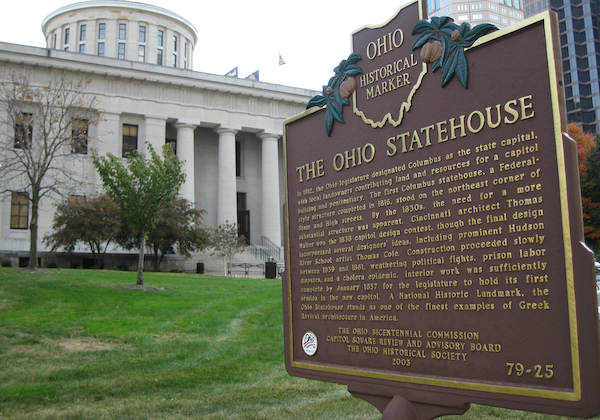
- Ohio (September 2025): HB 469 goes further by declaring AI “nonsentient”
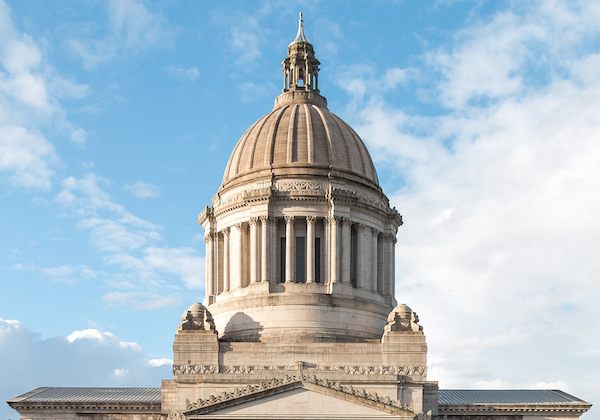
- Washington (February 2025): HB 2029 copies Idaho’s framework
Idaho established the template that other states now follow. The language of these bills is often nearly identical, suggesting coordinated model legislation.
What We Say
“Idaho made a consequential choice in 2022, and we’re now seeing that choice replicate across the country,” said Tony Rost, Executive Director at the Harder Problem Action Fund. “When Rep. Nichols said she was worried AI personhood could ‘dilute’ human rights, she established the rhetorical framework other legislators now use. But framing this as zero-sum misunderstands the issue. Recognizing that an AI system might warrant moral consideration doesn’t diminish human rights any more than recognizing child rights diminished adult rights.”
Resources for Journalists
The Harder Problem Action Fund can provide:
- Full text of Idaho Code § 5-346
- Comparison with subsequent state legislation
- Timeline of AI personhood bans across states
- Analysis of model legislation patterns
Interview requests: press@harderproblem.org
About the Harder Problem Action Fund
The Harder Problem Action Fund is an advocacy organization fighting for evidence-based AI consciousness policy. We track legislation, score bills, and mobilize opposition to laws that prematurely foreclose how society can respond to questions about digital consciousness.
Sources cited: